IBU Banking and Finance Students Gain Practical Insights at the National Bank of the Republic of North Macedonia
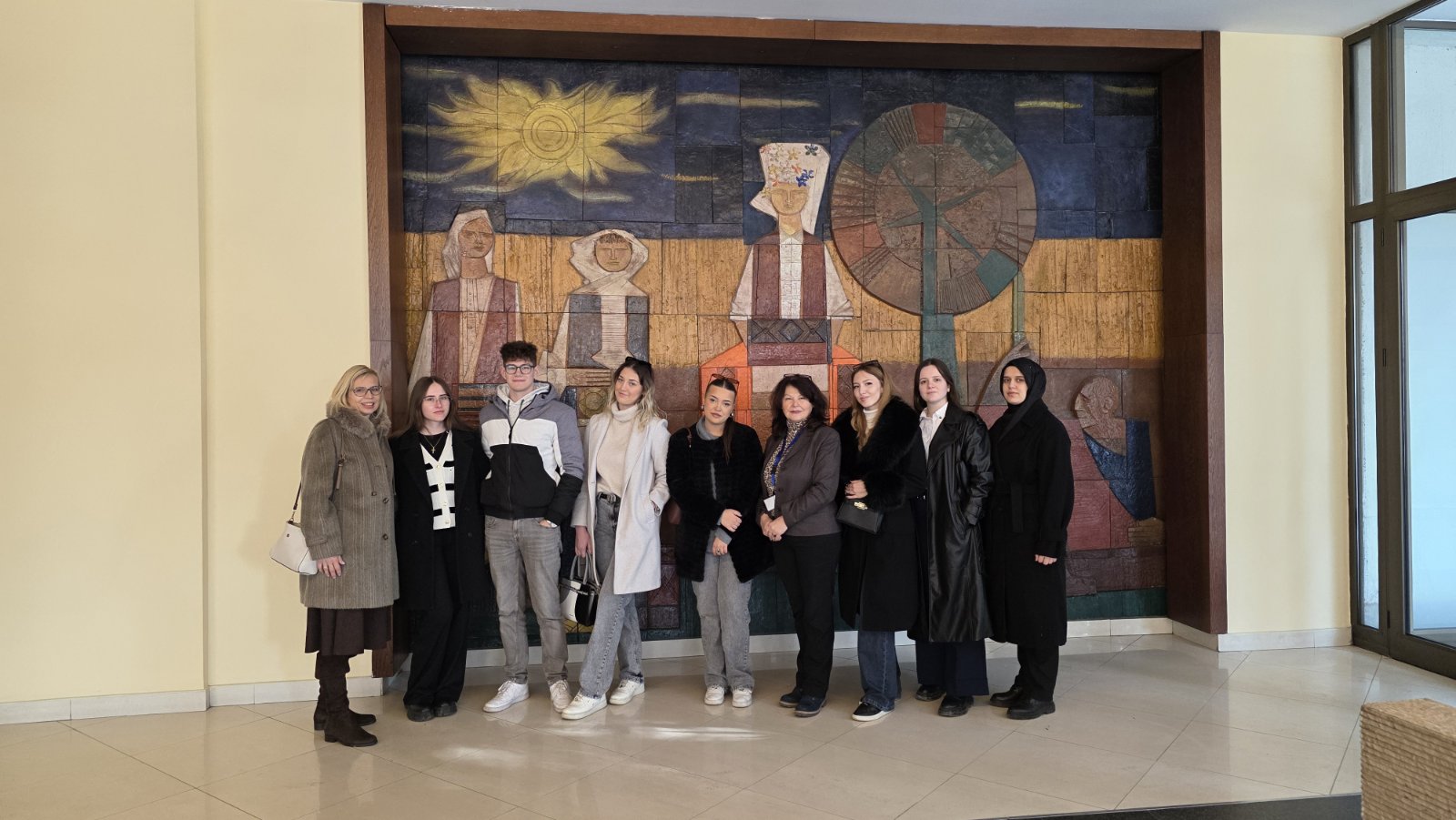
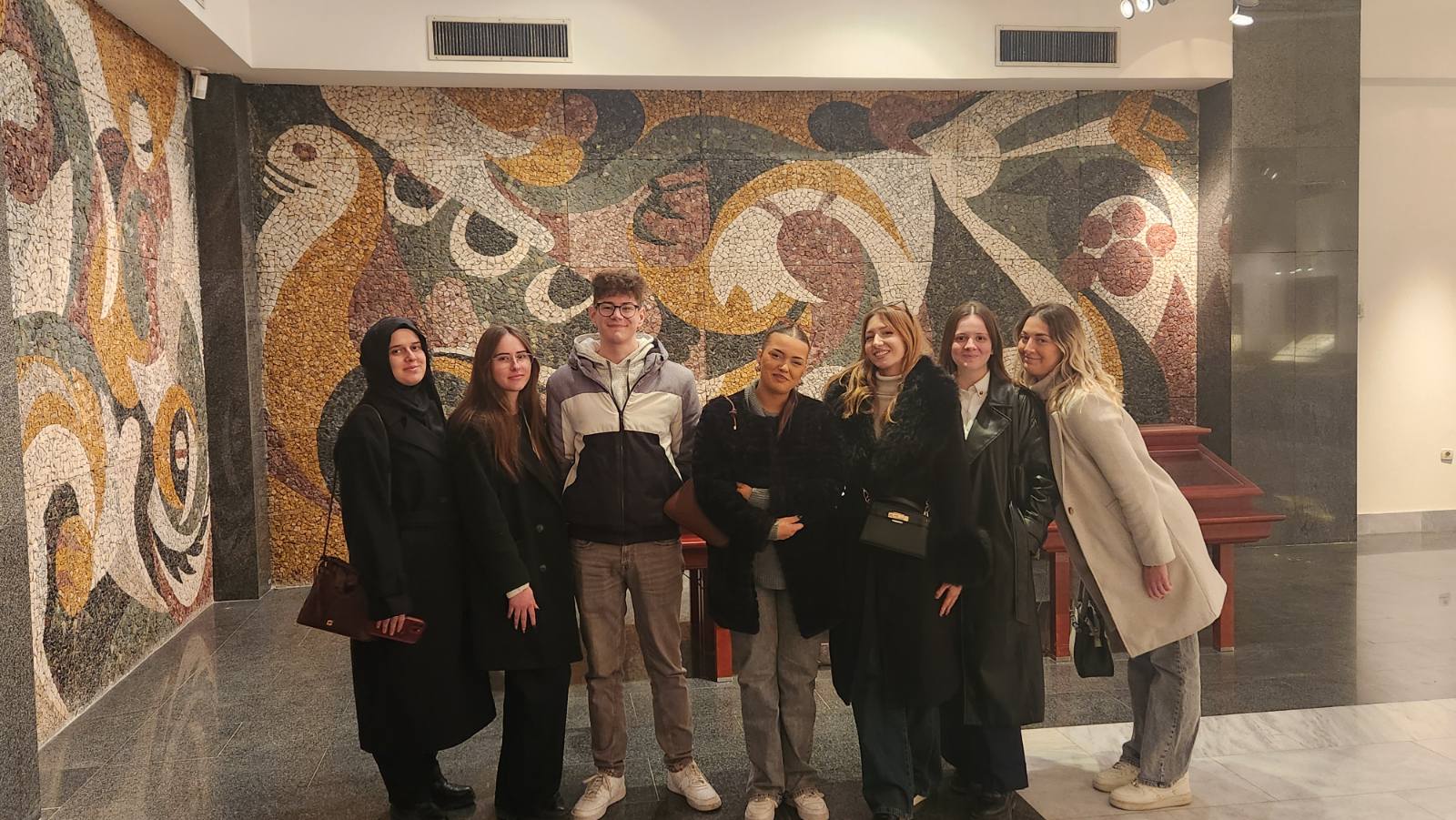

We recently facilitated an enriching academic visit for our 3rd-year Banking and Finance students from the Faculty of Economics and Administrative Sciences to the National Bank of the Republic of North Macedonia, organized under the guidance of Asst. Prof. Elena Parnardzieva Stanoevska. Through this well-structured field experience, we strengthened the bridge between classroom learning and the realities of the financial sector, ensuring that our students engage directly with the institutions that shape national economic stability. By bringing our learners into a professional environment where regulation, supervision, and systemic resilience are actively practiced, we reaffirmed our commitment to delivering a quality education that is relevant, applied, and aligned with contemporary expectations in banking and finance.
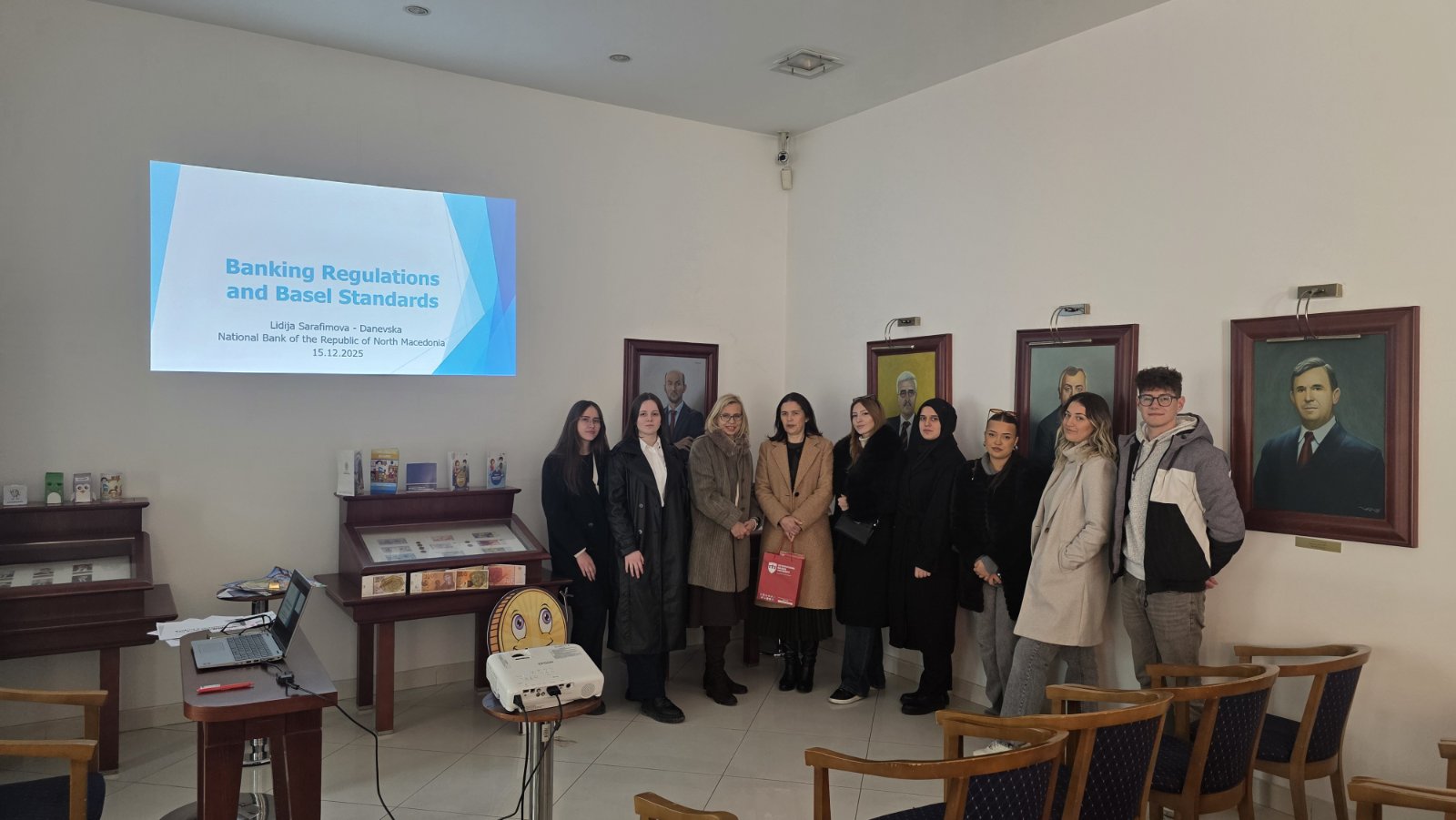
During the visit, we were pleased to be welcomed by Mrs. Lidija Serafimova-Danevska, Advisor in the Banking Regulation and Bank Resolution Department, who delivered a focused presentation on Banking Regulation and Basel Capital Standards. With clear emphasis on supervisory processes, the evolution of the Basel Accords, and their practical implementation within the Macedonian banking system, we provided our students with a deeper, institution-level perspective on how regulatory frameworks protect depositors, support financial stability, and promote responsible banking practices. This exposure not only reinforced key themes from our curriculum, but also supported our broader educational mission of cultivating analytical thinking, professional awareness, and the ability to connect theoretical standards to real-world policy and governance environments.
In addition to the regulatory dimension, we also enriched the learning experience with a tour of the National Bank’s Numismatic Collection Museum, broadening our students’ understanding of monetary history and cultural heritage as an essential part of economic identity. By integrating technical knowledge with historical context, we strengthened our students’ appreciation of how monetary systems evolve and why institutional credibility is built through both expertise and legacy. We sincerely thank the National Bank of the Republic of North Macedonia, and Mrs. Lidija Serafimova-Danevska in particular, for the warm welcome and the valuable knowledge shared with our students, and we remain committed to expanding such high-quality engagements that advance our students’ development and reinforce our role in shaping competent, future-ready professionals.